Release time:2026.3.12
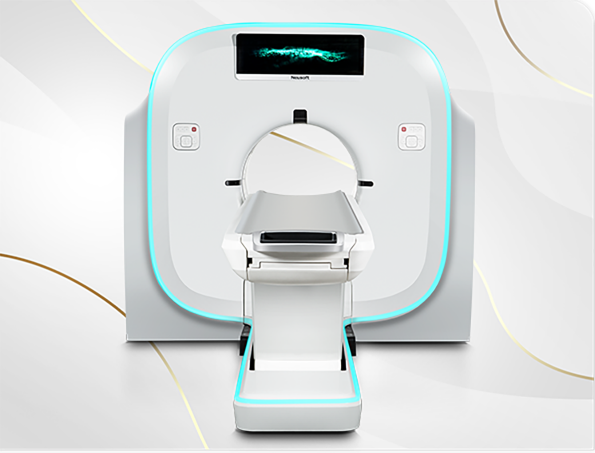
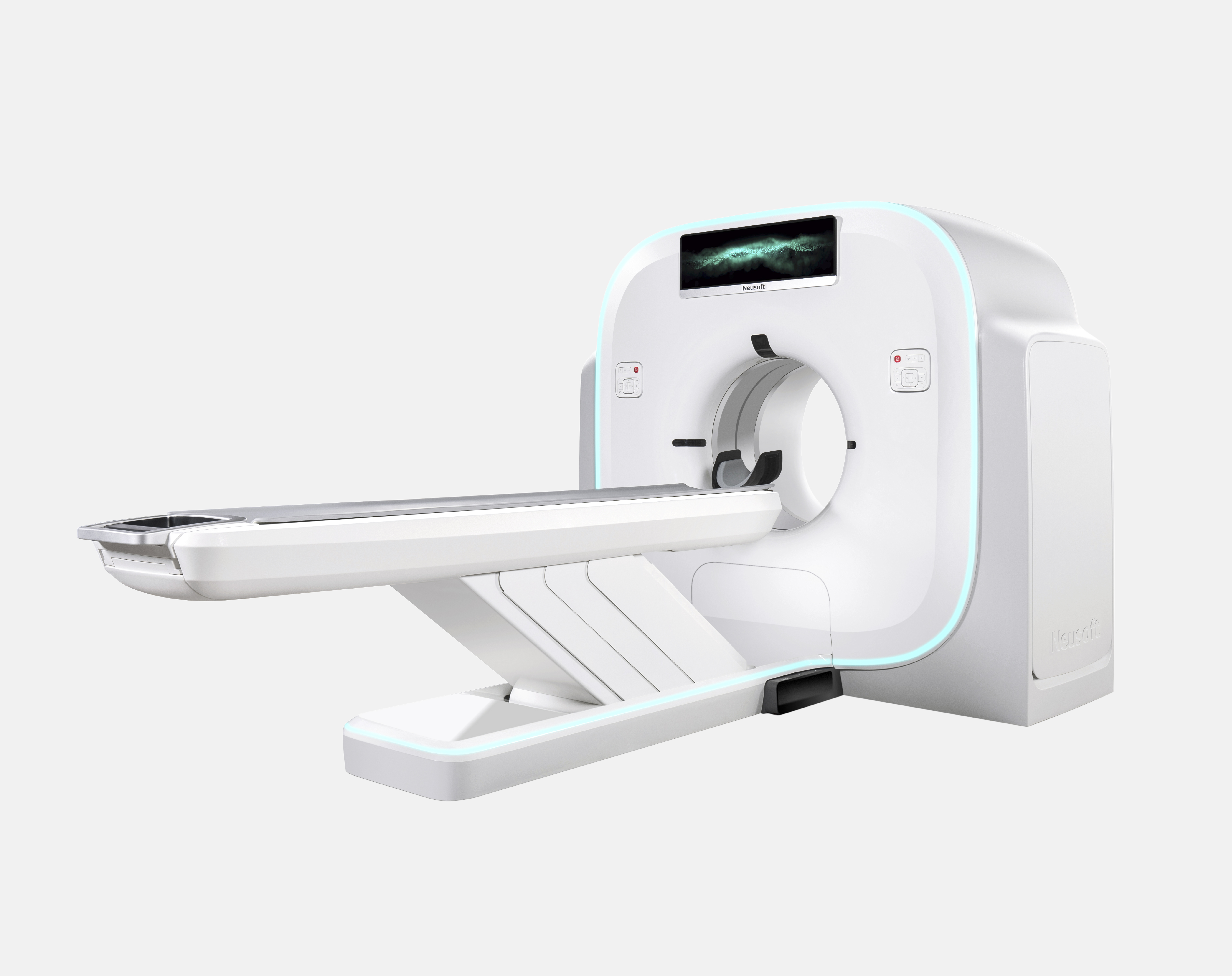
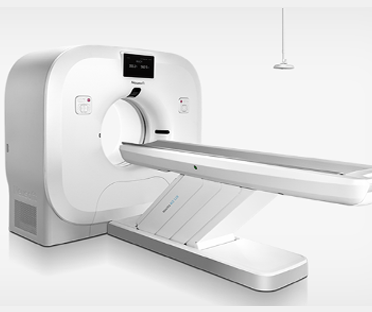
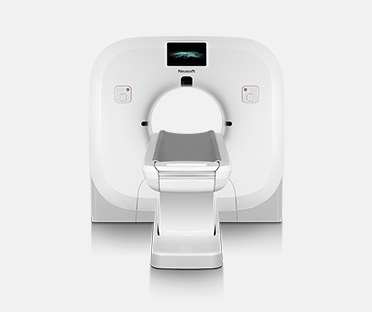
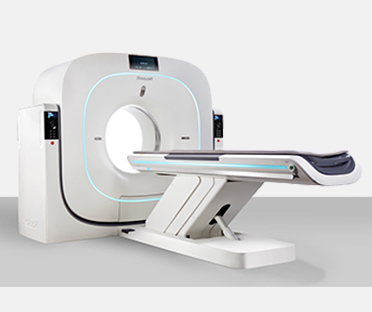
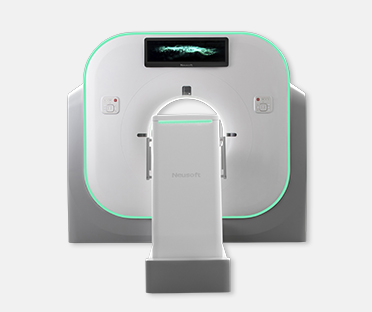
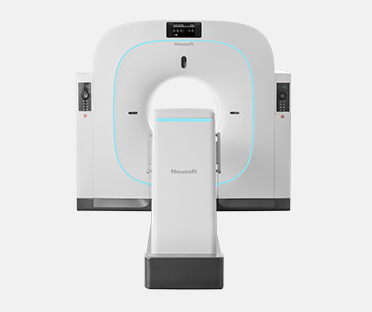
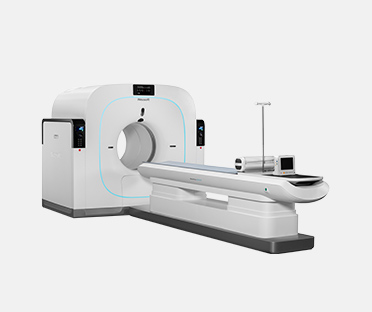
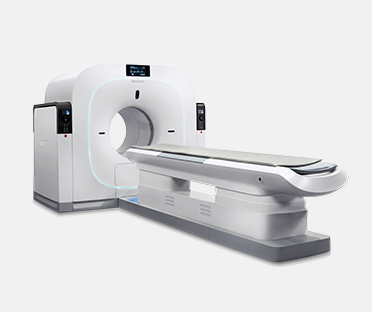
At the European Congress of Radiology 2026 (ECR 2026) in Vienna, Neusoft Medical showcased its self‑developed photon‑counting CT system, presenting a series of cutting‑edge clinical and translational research outcomes in collaboration with leading tertiary hospitals in China. These studies demonstrate the potential of photon‑counting CT to significantly enhance lesion detectability, quantitative accuracy, and dose efficiency in routine and advanced clinical imaging.
The five accepted studies—including two oral presentations and three e‑posters—comprehensively cover three major clinical domains: chest, musculoskeletal, and cardiac imaging. Together, they demonstrate the ultra‑high spatial resolution and ultra‑low‑dose capabilities of the NeuViz P10 photon‑counting CT system, and provide new imaging strategies and quantitative tools for disease screening, assessment, and clinical decision‑making across multiple specialties.
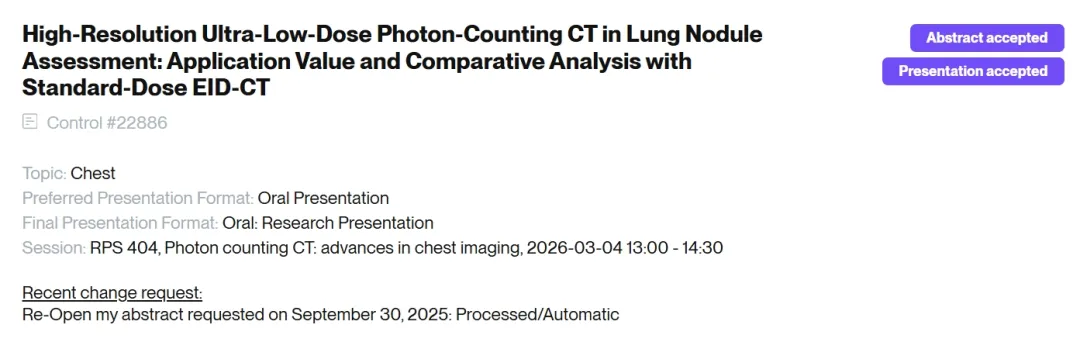
High‑Resolution Ultra‑Low‑Dose Photon‑Counting CT in Pulmonary Nodule Assessment: Application Value and Comparative Analysis with Standard‑Dose EID‑CT (Oral Presentation)
Collaborating institution: West China Hospital, Sichuan University
Key findings:This study employed the NeuViz P10 high‑resolution ultra‑low‑dose scanning mode to image a chest phantom containing 15 simulated pulmonary nodules and performed a systematic comparison with conventional standard‑dose EID‑CT. The results showed that the effective radiation dose of PCCT was reduced by 78.4% compared with a routine chest examination performed on a traditional EID‑CT system,while the contrast‑to‑noise ratio (CNR) was significantly higher with PCCT for both 512‑ and 1024‑matrix reconstructions. These findings suggest that PCCT has the potential to become a superior option for lung nodule screening and long‑term follow‑up, enabling substantial dose reduction without compromising high‑definition image quality.

A Preliminary Study of Automatic Segmentation and Quantification of Human Knee Trabecular Bone in Vivo using Photon‑Counting CT (Oral presentation)
Collaborating institution: The First Hospital of China Medical University
Key findings: Leveraging the ultra‑high spatial resolution and 1024‑matrix high‑definition reconstruction of the NeuViz P10, combined with the deep‑learning‑based NeuSpace platform, this study achieved automatic segmentation and quantitative analysis of subchondral trabecular bone in the human knee. Core parameters such as bone volume fraction (BV/TV) and trabecular thickness (Tb.Th) were successfully extracted. The study confirmed the technical feasibility of PCCT for early evaluation of bone disease, enabling in vivo, noninvasive, and quantitative assessment of bone microstructure, and providing a new high‑resolution imaging and quantitative analysis tool for early warning, disease monitoring, and treatment response evaluation in osteoarthritis.

Automated Segmentation and Quantification of Vertebral Trabecular Microstructure via Photon‑Counting CT: The First In Vivo Human Study (E‑poster)
Collaborating institution: The First Hospital of China Medical University
Key findings: In this study, volunteers underwent lumbar spine imaging on the NeuViz P10 system. Using the deep‑learning‑based NeuSpace platform, the investigators achieved, for the first time, automatic segmentation of L1–L5 vertebral trabecular bone based on PCCT data and successfully quantified five key parameters,including BV/TV and Tb.Th. This work provides a noninvasive and quantifiable new tool for spinal assessment in osteoporosis.
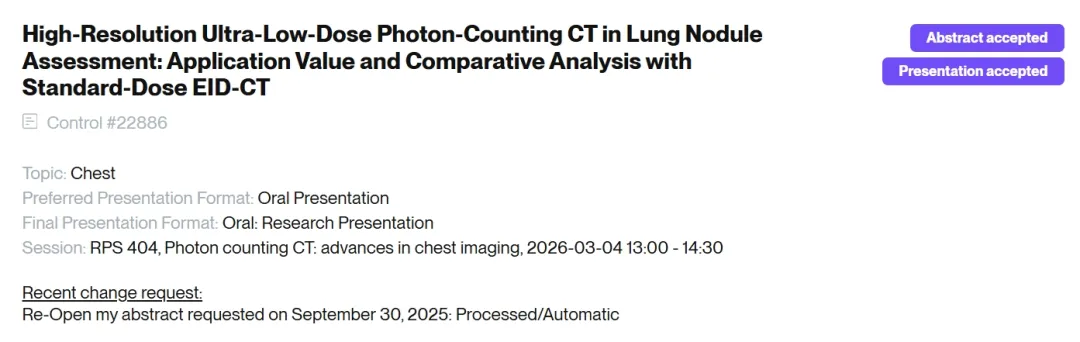
High-Resolution Ultra-Low-Dose Photon-Counting CT in Lung Nodule
Assessment: Application Value and Comparative Analysis with
Standard-Dose EID-CT (E‑poster)
Collaborating institution: West China Hospital, Sichuan University
Key findings: Addressing the challenge of motion artifacts in coronary CT imaging in patients with high heart rates, this study used a dynamic cardiac phantom to objectively evaluate the NeuViz P10 high‑definition (HD) and standard (STD) scanning protocols at heart rates of 60 bpm and 120 bpm. The results demonstrated that, even at 120 bpm, the HD protocol maintained higher SNR and CNR compared with the STD protocol. These findings indicate that PCCT may improve the applicability and image quality of coronary CT in patients with elevated heart rates.

Assessing the effect of pitch on coronary image quality in photon-counting CT:
comparison of high-definition and standard protocols in a dynamic phantom (E‑poster)
Collaborating institution: West China Hospital, Sichuan University
Key findings: Using a dynamic cardiac phantom, this study evaluated the image quality of NeuViz P10 high‑definition (HD) and standard (STD) scanning protocols at two pitch settings (0.22 vs 0.30). The results showed that the HD protocol provided higher SNR and CNR across all pitch settings, with particularly pronounced advantages in coronary‑to‑myocardium contrast. These findings support optimization of PCCT acquisition parameters for coronary CT and facilitate its translation into routine clinical practice.
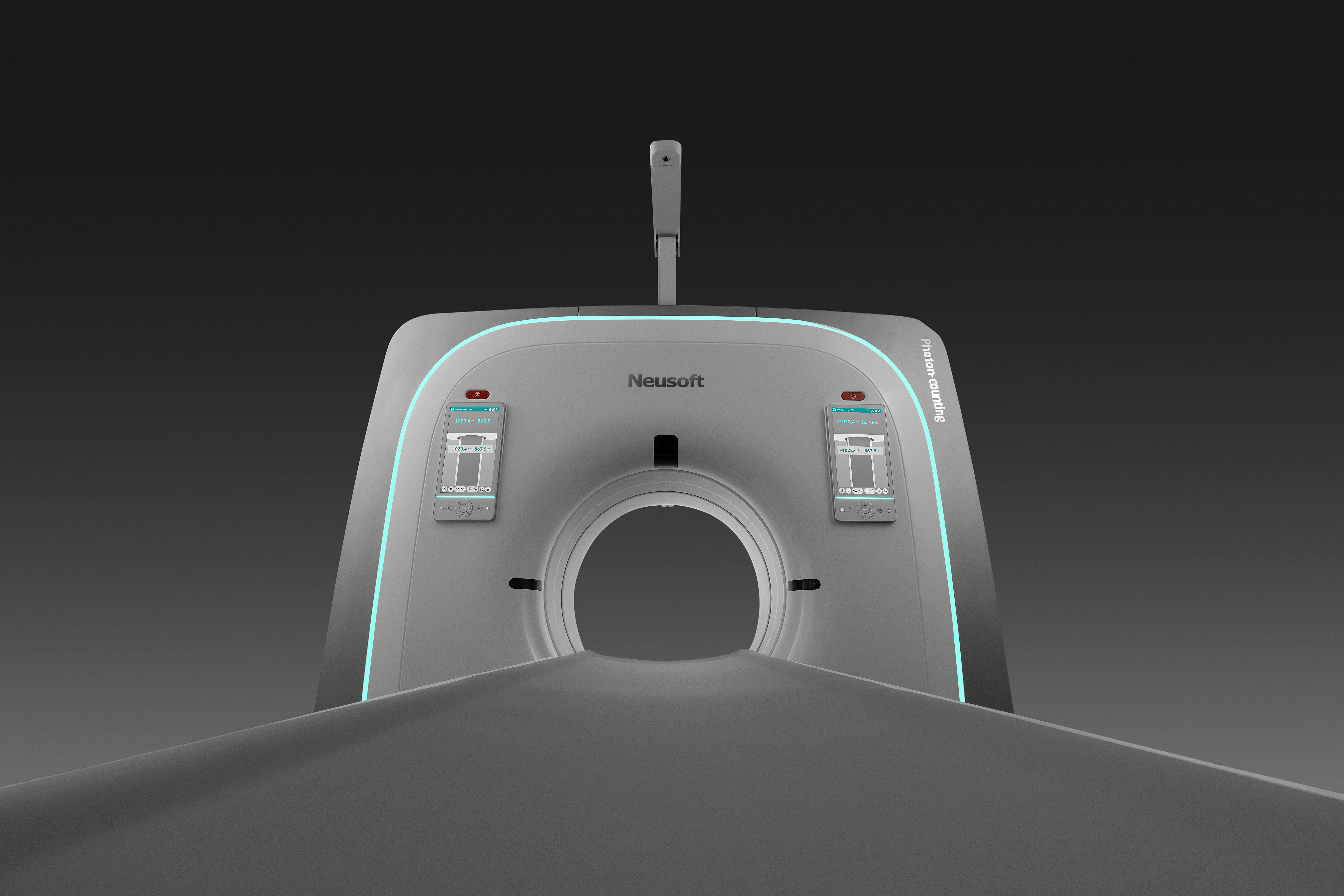
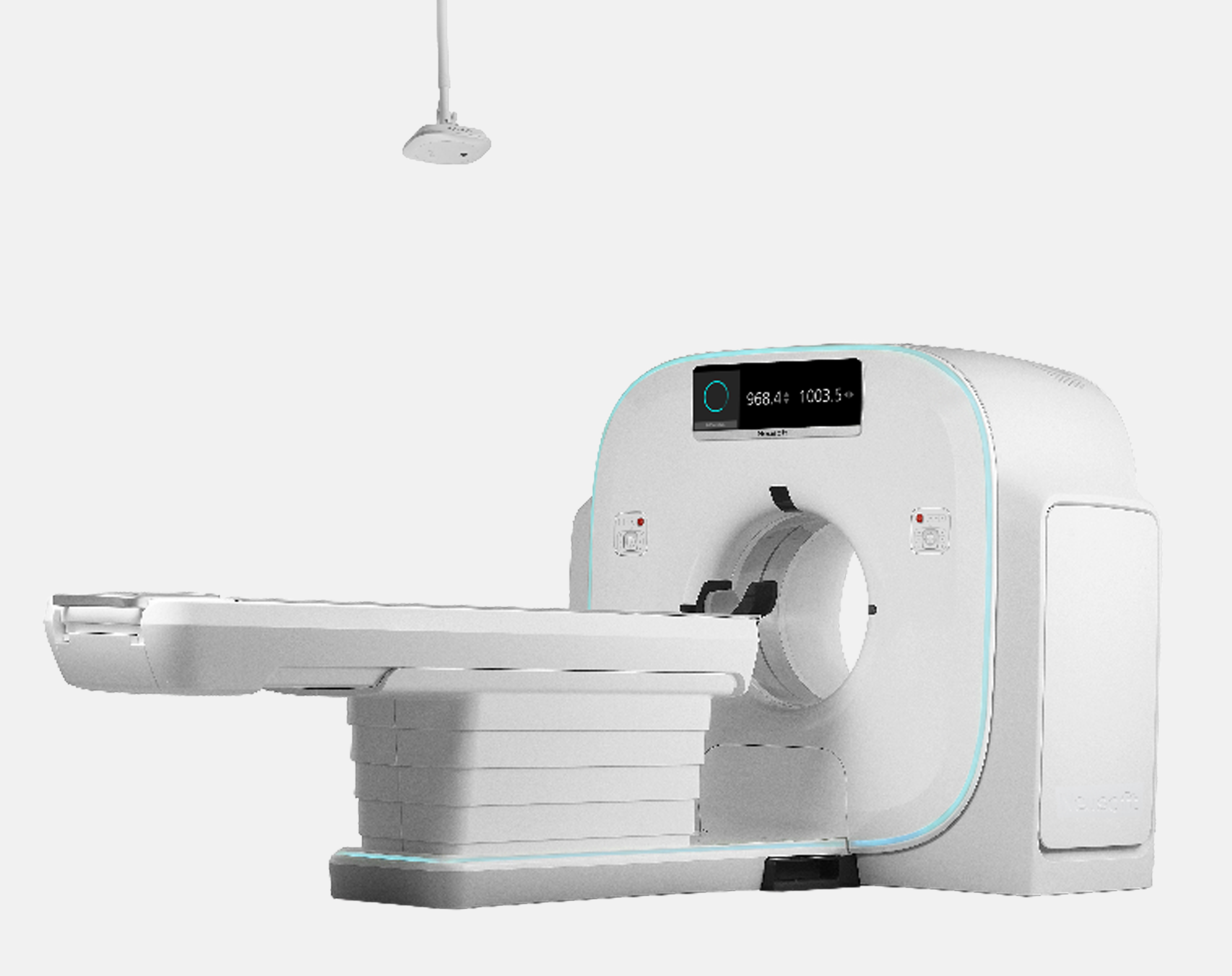
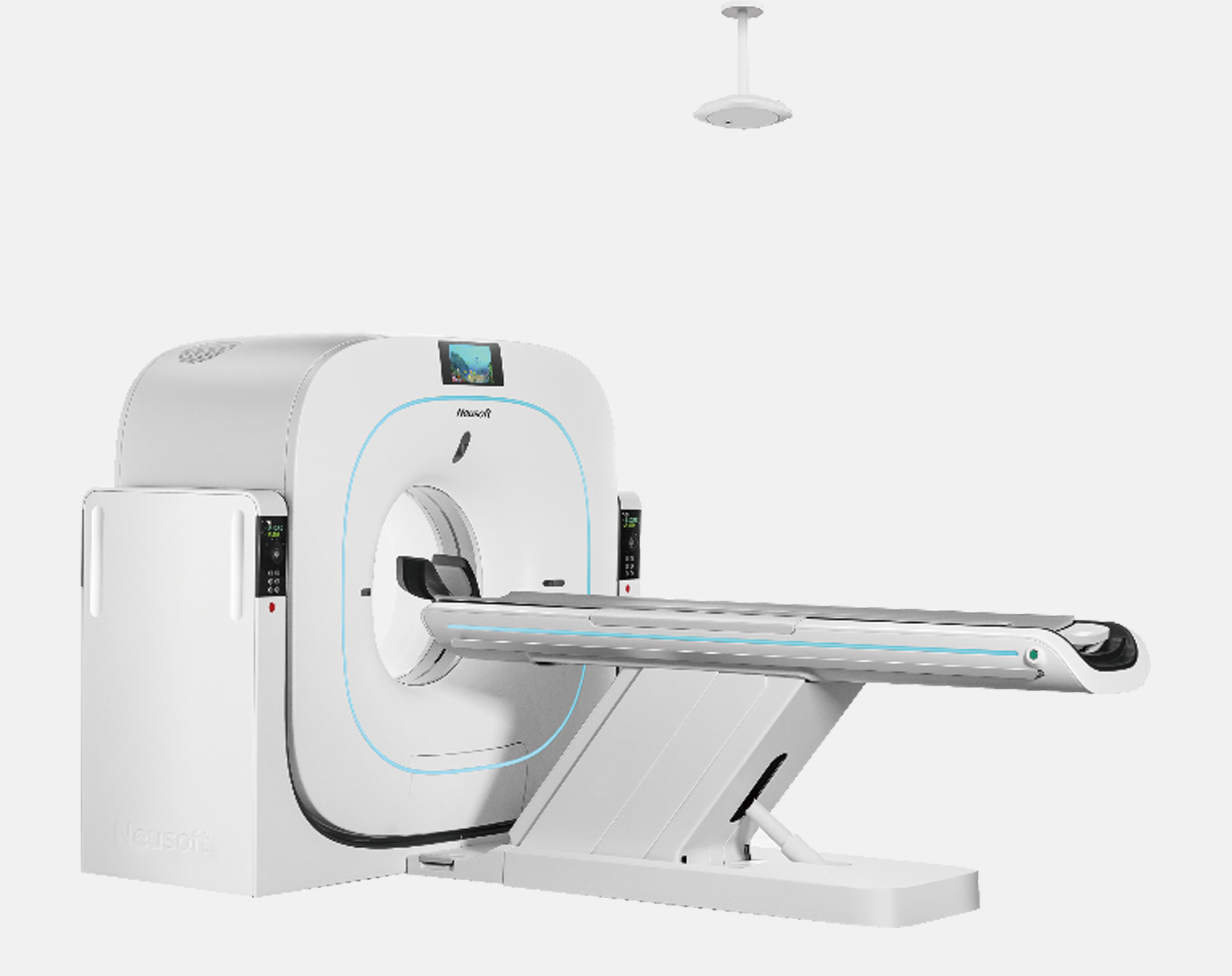
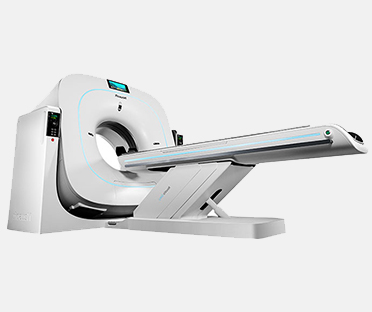
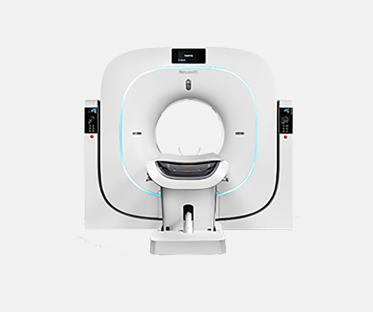
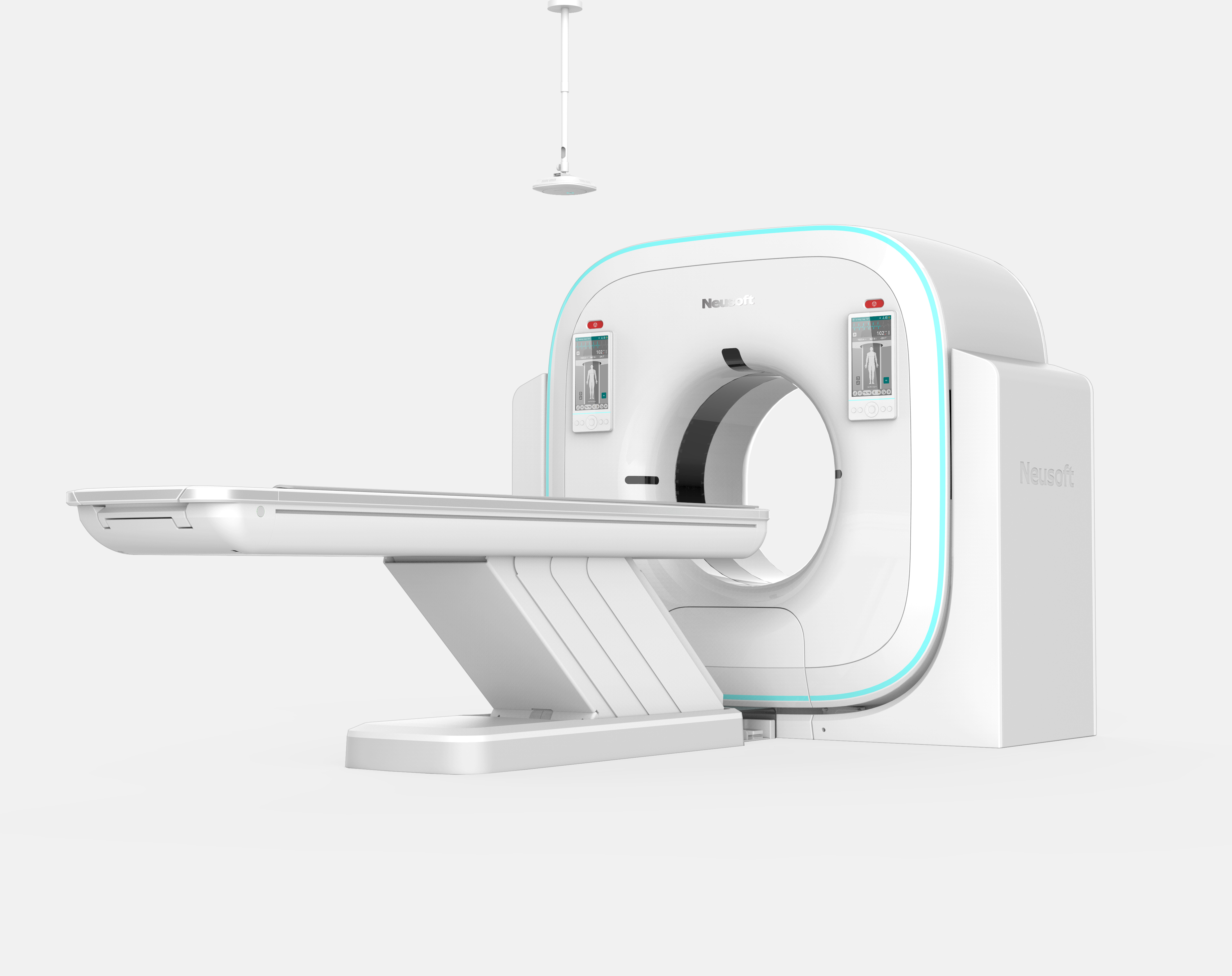
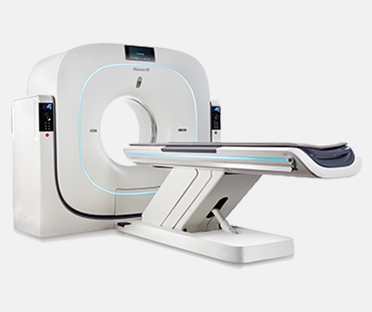
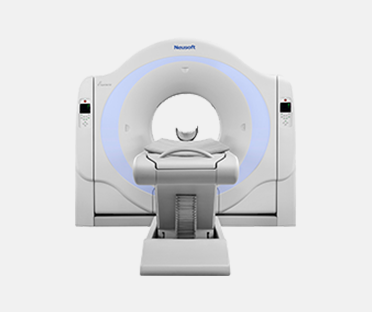
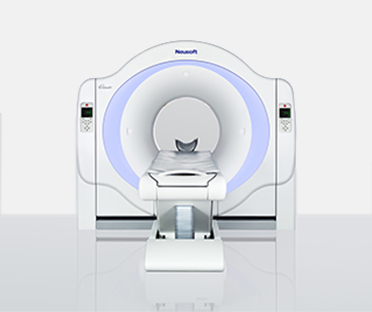
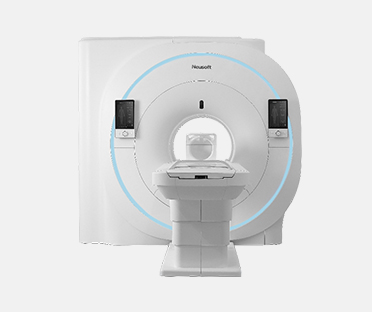
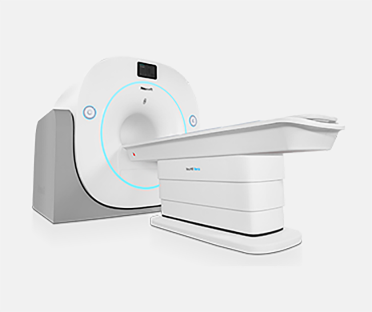
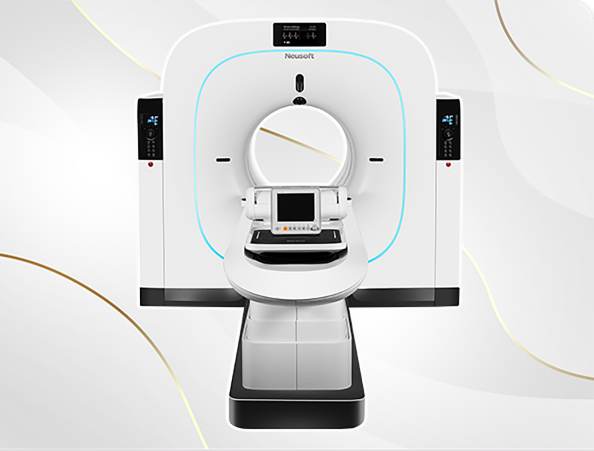
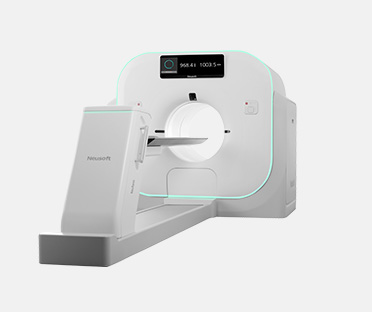
Built on the world’s first 8 cm wide-coverage photon-counting CT platform, the NeuViz P10 photon-counting CT system developed by Neusoft Medical Systems delivers three core technological strengths: ultra-high-resolution imaging, ultra-low-dose acquisition, and multi-dimensional spectral imaging. The system is further supported by intelligent workflow capabilities and a next-generation post-processing platform designed to enhance clinical efficiency and expand research potential.Neusoft Medical has partnered with leading hospitals across China to establish an extensive clinical research network. Dozens of studies are currently underway across multiple anatomical areas, including the head and neck, cardiovascular system, breast, lungs, and musculoskeletal system. A series of significant research findings is expected to be released progressively throughout 2026.
· Reveal the Truth with SUPRA
NeuViz P10 PCCT introduces SUPRA (0.274 mm) and SUPRA+ (0.137 mm) modes with full spectral capability, achieving spatial resolution exceeding 50 lp/cm for ultra-detailed anatomical visualization.
· Low-Dose Diagnosticswith Exceptional Precision
By leveraging direct dose efficiency with maintained diagnostic confidence, and powered by precision-engineered CZT detectors for next-level performance, the NeuViz P10 PCCT enables highly efficient photon utilization and preserves excellent image quality even at substantially reduced radiation dose levels.
· Wide Photon-Coverage Imaging
The 8 cm wide detector captures comprehensive anatomical regions in a single scan, enhancing workflow efficiency and supporting advanced clinical and research applications.
· Next-GenerationMulti-Dimensional Spectral Processing
The next-generation post-processing workstation supports multi-dimensional spectral imaging and quantitative material analysis, offering a new architecture that allows multi-terminal image processing and powerful photon-processing capabilities for sophisticated visualization and research exploration.
In addition to the five photon‑counting CT studies, a further 13 scientific works focusing on conventional CT, artificial intelligence, and related topics were also presented, shining on the ECR stage and resonating with leading experts and industry partners from around the world under the congress theme “Rays of Knowledge” together opening a new, vibrant chapter in radiology.
From robust domestic clinical validation to a concentrated appearance on a top‑tier international academic stage, these five PCCT‑based clinical application studies showcased at ECR 2026 further advance the clinical impact of photon‑counting technology. Neusoft Medical will continue to leverage its strength in rapid iteration of core technologies to build new research paradigms, empower clinical innovation and application, and accelerate the widespread adoption of this revolutionary technology across hospitals worldwide.

 Liaoning Public Network Security 21011202000133 15018182-4
Internet Drug Information Service Qualification Certificate
Personal Information and Privacy Protection Policy · Terms of Use
· Site map
Liaoning Public Network Security 21011202000133 15018182-4
Internet Drug Information Service Qualification Certificate
Personal Information and Privacy Protection Policy · Terms of Use
· Site map